1.
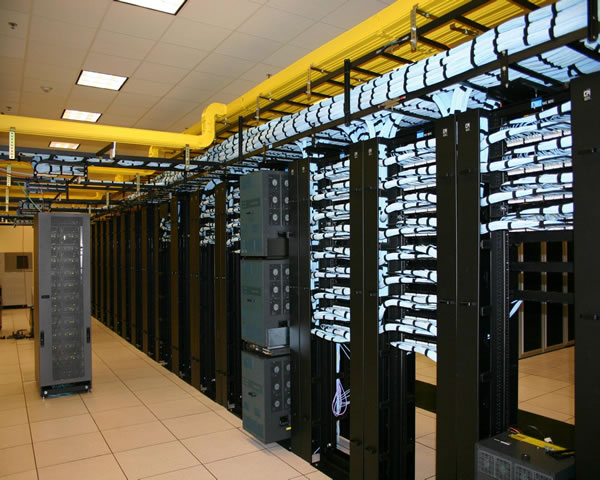
what is "korean http server" and common scenarios
explanation: refers to a web server deployed in south korea (or using korean computer rooms/nodes) that responds to http/https requests. scenarios include korean local websites, services for global users, using korean cdn nodes, etc. summary: geographical location affects routing, delay and supervision strategies.
2.
overview of frequently asked questions about cross-border access
problem types: dns resolution failure, route interception, ssl handshake error, geographical blocking (geoip), cors cross-domain error. impact on performance: connection timeout, certificate error, 403/451, resource loading failure.
3.
step 1: check network connectivity from local to south korea (command and interpretation)
steps: 1) dns: dig example.kr +short or nslookup; 2) routing: traceroute -n example.kr or tracert; 3) connectivity: ping -c4 example.kr. interpretation: if dns resolution is normal but traceroute stops at a certain hop, it may be blocked by an intermediate route or operator.
4.
step 2: http/https connection and header inspection (command and judgment)
steps: 1) curl -i -v https://example.kr to view the response header; 2) telnet example.kr 80 or 443 to detect open ports; 3) openssl s_client -connect example.kr:443 -servername example.kr to check the certificate and sni. if the certificate domain name does not match or sni fails, the browser will refuse the connection.
5.
step 3: server-side log and process check (operation command)
steps: 1) check the access/error log: tail -n200 /var/log/nginx/access.log /var/log/nginx/error.log; 2) check the service status: sudo systemctl status nginx or apache2; 3) configuration syntax check: sudo nginx -t. if the log shows 403 or ip rejected, check the firewall and geoip configuration.
6.
step 4: firewall and geoip (how to troubleshoot and modify)
steps: 1) check the server firewall: sudo iptables -l -n or sudo ufw status; 2) find geoip rules: search for geoip or country in nginx configuration or iptables; 3) temporary release: sudo iptables -i input -s <client ip> -j accept. long-term approach: adjust geoip rules or update maxmind database.
7.
step 5: cross-domain resources and browser policies (cors/csp processing)
steps: 1) if the console reports a cross-domain error, add nginx configuration: add_header 'access-control-allow-origin' '*' always; add_header 'access-control-allow-methods' 'get, post, options'; 2) for preflight requests, make sure to return 204/200; 3) check whether content-security-policy blocks external domain resources.
8.
step 6: use cdn and korean nodes to optimize and avoid blocking
recommendation: put static resources on cdn (choose a provider with korean pop or deploy in seoul/busan computer room), configure geographical rules of cdn to avoid blocking; test: use curl --resolve or online tools in different regions.
9.
step seven: client bypass and short-term workaround
method: it is recommended that users use a reliable vpn, proxy or cloudflare spectrum; enterprises can use load balancing or multi-region deployment (such as aws seoul + global cdn) to improve availability and stability.
10.
step 8: practical repair example (nginx + ssl + cors)
example configuration excerpt: add listen 443 ssl in the server block; server_name example.kr; ssl_certificate /path/fullchain.pem; ssl_certificate_key /path/privkey.pem; add_header 'access-control-allow-origin' '*'; if reloaded after modification: sudo nginx -t && sudo systemctl reload nginx.
11.
step 9: monitoring and continuous troubleshooting suggestions
deployment: use monitoring (pingdom, uptimerobot) and log aggregation (elk/graylog) to set alarms: response time, error rate, certificate expiration reminder. update geoip and certificates regularly.
12.
faq 1: why do korean servers often time out when accessed in the country?
question: why do korean servers often time out when accessed in china?
answer: it is mostly caused by dns resolution errors, packet loss on international links, or isp throttling on specific routes/ports. use dig, traceroute, and ping to locate according to step 3 above. if there is a link problem, contact the operator or use multi-node/cdn.
13.
faq 2: how to locate and repair ssl handshake failure?
q: how to locate and repair ssl handshake failure?
answer: use openssl s_client -connect host:443 -servername host to check the certificate, chain and sni; if the certificate is incomplete, complete the intermediate certificate; if sni fails, ensure that the service supports multiple virtual hosts and enables the correct server_name.
14.
faq 3: what to do if blocked by geoip or firewall?
q: what should i do if it is blocked by geoip or firewall?
answer: check the geoip rules of the server firewall and nginx/iptables, temporarily release the affected ip, and update or remove the mistakenly determined country blocking rules; in the long term, it is recommended to use cdn multi-node or communicate with the operator to remove the mistaken blocking.
- Latest articles
- Enterprises Expanding Markets To Sell Servers To Vietnam With Localized Pricing And After-sales System Setup
- How To Test CN2 Japan Link Quality And Generate Visual Reports
- Illustrated Guide To Setting Up IPs For Singapore Servers, Completing Network Segment Routing And Firewall Configuration
- Key Points For Disaster Recovery Switching And Load Balancing Design For VPS Nodes At The Vietnamese Node In Enterprise-level Architectures
- How To Determine How Much To Rent A VPS In Korea Based On Business Scale And Match Performance Requirements
- Vietnamese CN2 Service Provider: Price And Service Comparison To Help You Choose Quickly
- How Do Enterprises Assess The Time It Takes For Tencent Cloud Singapore Servers To Recover After A Failure?
- Guidance On The Application Of Korean IP Native In SEO And Refined Promotion Operations
- Cross-server StarCraft Battle, Creating A Room, Choosing A Korean Server, Multi-country Player Experience Analysis
- Consider Multi-region Backups: Which Cloud Server In Taiwan Is Recommended With Excellent Disaster Recovery Capabilities?
- Popular tags
-

What Should I Do If The Korean Server Is Broken? Share Quick Fixes
this article provides detailed korean server fault repair methods to help users quickly solve server problems. -

Technical Key Points And Steps For Building Korean Kt’s Original Ecological Ip
this article introduces in detail the technical points and steps of building the original ecological ip of kt in south korea, including the selection and configuration of related servers, vps, hosts and domain names. -
How To Build An Efficient Native Korean Station Group Kt
this article explores how to build an efficient native korean website group, covering the advantages, construction steps, and key factors for success.